
Emergency Water Damage Removal and Drying Plumber
When water is on the floor, the clock matters. Wet drywall, carpet pad and baseboards begin to deteriorate within hours, and the longer they stay wet, the more of the house is affected.
This page covers the plumbing side of water damage restoration: stopping the water, removing it and drying what was wet. A dedicated water damage line takes these calls at any hour.
- Licensed and insured plumbers
- Same-day service when available
- 24/7 emergency dispatch
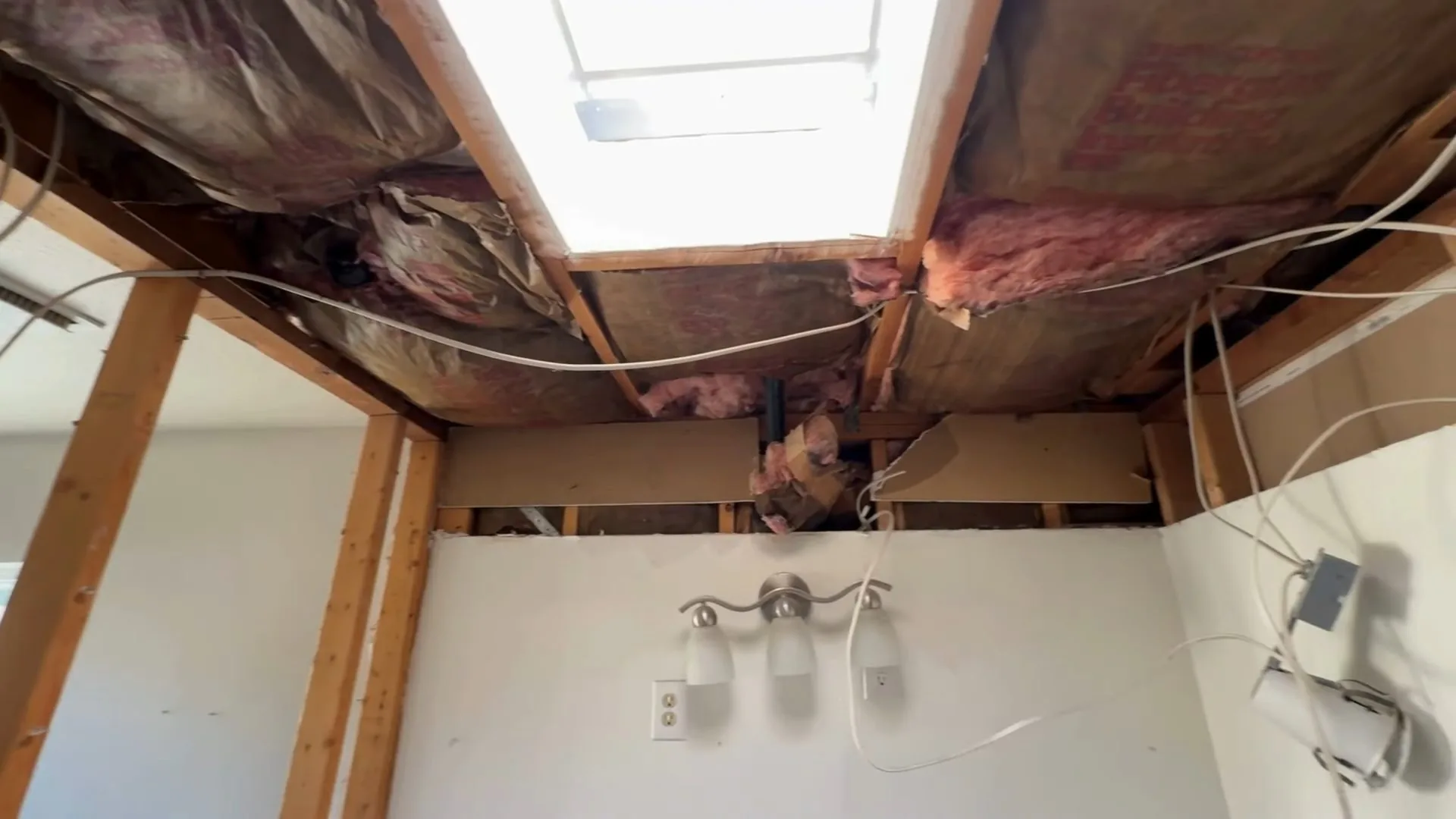
Water damage assessment and inspection: stop the source first
Every job begins by stopping the water. A broken supply pipe, an overflowing fixture or a failed water heater all get shut off first. Without that step, drying is pointless because water keeps arriving.
- Shut off the water at the main or the nearest fixture valve.
- Switch off power to wet areas if you can do so from a dry spot.
- Photograph the damage before moving anything.
- Move furniture and valuables to dry ground.
- Call the water damage line.
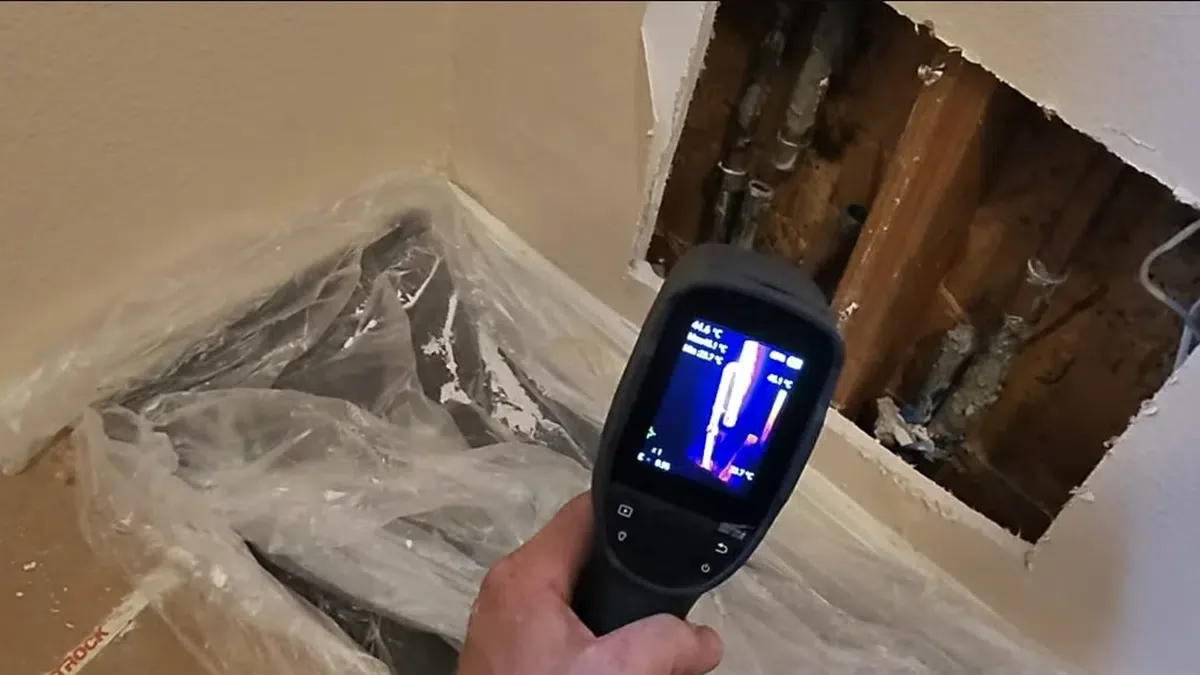
A ceiling stain, a soft bathroom floor or a damp kitchen cabinet each tells the plumber where to start. The plumber then checks how far the water traveled. Moisture meters read walls and floors, and thermal imaging can show wet areas behind surfaces. Assessment decides how much needs to be removed and how long drying will take.
Water extraction: how standing water is removed
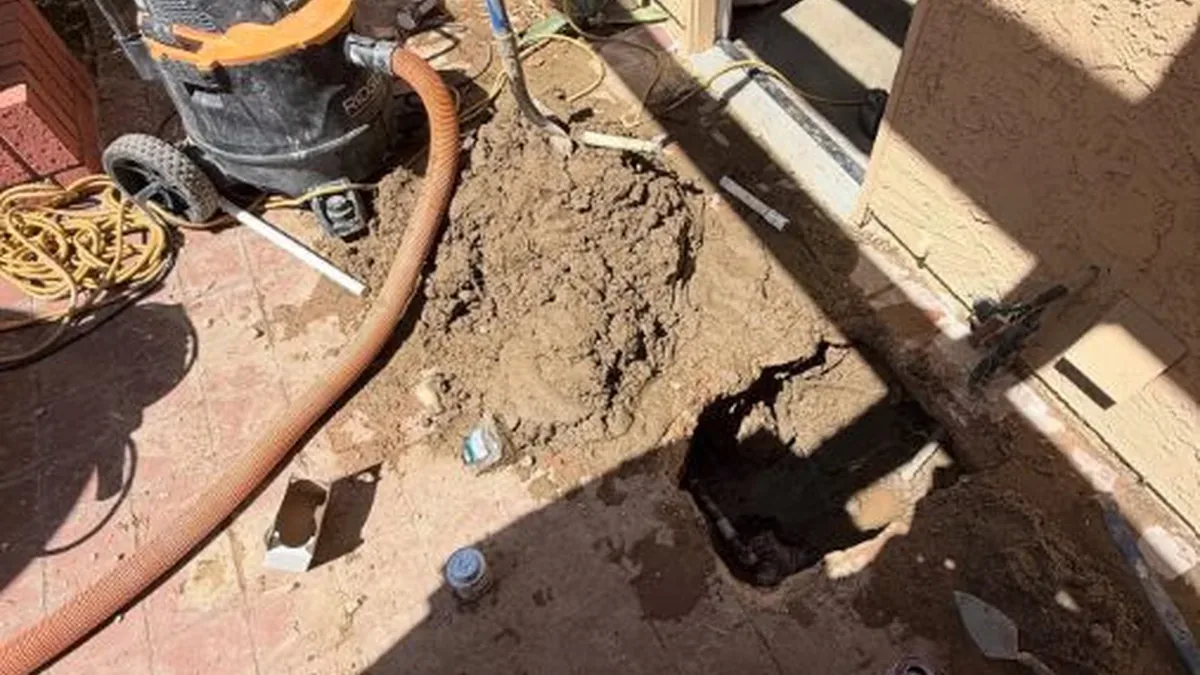
Standing water comes out first. Pumps and wet vacuums remove what is visible, and the rest is left to evaporate under controlled conditions. The sooner the water is gone, the less it soaks into porous materials.
Wet carpet pad is usually removed and discarded, since it holds moisture and dries slowly. Carpet itself may be lifted and dried in place if it is clean and the water source was clean. Drywall that has wicked water above the floor line is cut back to dry material.
Removing wet material is part of drying. It is not rebuilding, and finish work such as new drywall, paint and flooring is a separate trade handled after the structure is dry.
Drying equipment and the drying process
Drying equipment works in a loop. Air movers push air across wet surfaces to pick up moisture, and dehumidifiers pull that moisture out of the air. Without the dehumidifier, the humidity of the room rises and slows everything down.
| Equipment | What it does |
|---|---|
| Air movers | Blow air across wet floors and walls |
| Dehumidifiers | Remove moisture from the air |
| Moisture meters | Show whether materials are dry |
| Wet vacuums and pumps | Remove standing water |
Readings are taken each day and compared with a dry reference material. When readings match, the equipment comes out. Do not remove the equipment early because a surface feels dry to the hand.
Water on the floor and still spreading
Stop the source if you can, then call the water damage line. Help is dispatched day or night.
Burst pipe water damage
A burst pipe floods fast. Water travels through wall cavities, drips through ceilings and settles in the lowest rooms. The pipe repair is covered on the pipe repair page, and the drying plan covers the wet structure.
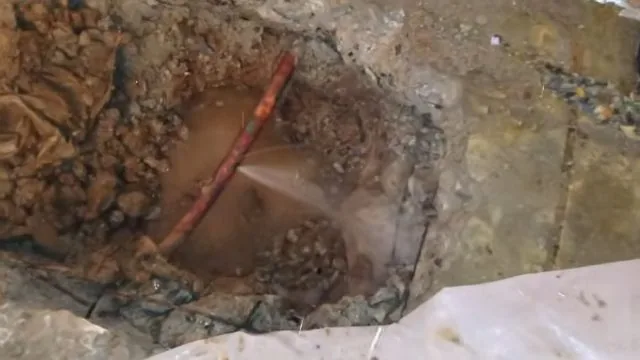
After the repair, the plumber maps the wet areas by room. Ceilings that sag or bubble need attention first because they can fall. Insulation that has absorbed water is removed, since it will not dry in place.
Sewage backup and contaminated water
Water from a sewage backup is not the same as clean water. Treat it as contaminated: keep children and pets away, avoid contact, and do not run fixtures that drain to the blocked line.
In Casa Grande the City owns the sewer main, and the owner is responsible from the tap to the home. If the blockage is in the main, Public Works takes the call at 520-421-8625 on business days. Outside those hours the City directs callers to the police line, 520-421-8700.
The line itself is handled on the sewer line page. Porous materials that touched sewage, such as carpet and pad, generally cannot be saved.
Flooding from rain or storms
Rain that enters through doors, garage openings or low windows needs the same quick response as a pipe leak. Water from outside can carry soil and debris, so treat it with caution and do not run electrical equipment in standing water.
A plumber can remove water and dry the interior. Questions about why water entered the building, grading outside or waterproofing belong with other trades, and a plumber will say so plainly.
Wet walls or carpet after a leak
Drying works best when it starts early. Call to book a plumber serving your area.
Wet flooring, carpet and non-plumbing leaks
Hardwood cups and buckles when wet, laminate swells at its seams, and tile can hold water in the substrate beneath. The plumber tests each surface with a meter and tells you what can be dried in place and what should come out.
Not every wet floor comes from a pipe. Leaks from a roof, a window, an air conditioner drain or a neighbor's unit also wet interiors. The first step is the same: find the source and stop it. Plumbing sources are repaired, and others are referred to the right trade.
Mold awareness after water damage
Mold can begin to grow on damp materials within a day or two. The best defense is drying quickly and thoroughly. If you see or smell mold, or if materials stayed wet for several days, ask about testing.
Testing tells you whether mold is present and what kind. Cleaning up an existing mold problem is a different trade, so a plumber will refer you rather than treat it.
Other wet-building cleanups follow the same logic. Smoke and soot cleanup is a different trade as well.
Insurance documentation and condo or commercial buildings
Document everything for your insurer. Photograph the damage before and after cleanup, keep receipts, and ask the plumber for a written note of the cause and the work done. Do not throw away damaged items until your insurer has seen or approved the disposal.
In a residential or commercial building, and above all in a condo or apartment, water often travels between units. Tell the property manager right away, because the source may be in someone else's unit and the shutoff may be in a common area.
Water damage in the house right now
Call the water damage line. A licensed and insured plumber serving your area can be dispatched day or night.
- Licensed and insured plumbers
- Same-day service when available
- 24/7 emergency dispatch