Garbage Disposal Repair, Replacement and Installation
A disposal that hums but will not spin, a unit that leaks into the cabinet or a sink that will not drain all lead to the same under-sink compartment. The fix depends on which symptom you have.
Clearing a jam, replacing a seal or setting a new unit are all jobs for the plumber dispatch sends. One safety rule comes before anything else: the disposal must be off before any hand goes near it.
- Licensed and insured plumbers
- Same-day service when available
- 24/7 emergency dispatch
Disposal safety: power off before you touch anything
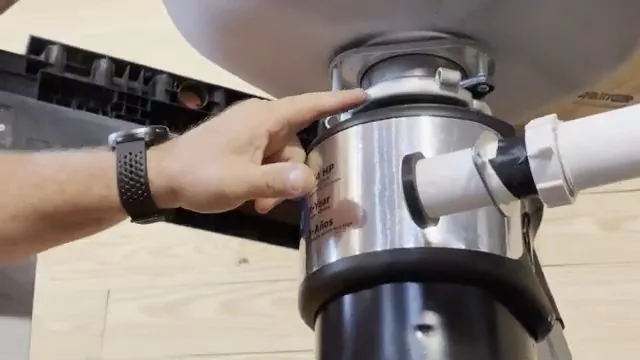
Never put a hand in a disposal, even when it looks off. Turn off the wall switch and unplug the unit or switch off its breaker before reaching into the sink opening or touching the unit.
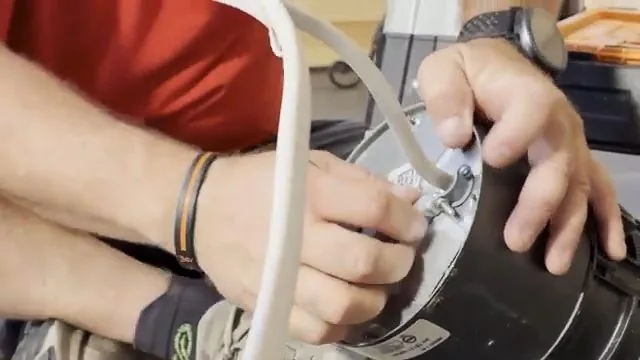
- Switch off the disposal at the wall.
- Unplug it, or turn off the breaker if it is hardwired.
- Use tongs or pliers, never fingers, to remove objects.
- Turn the unit by hand with the hex wrench slot underneath.
- Restore power only when the area is clear.
If the unit still will not run, a reset button on the base may have tripped. Press it once after the unit cools. A unit that trips again needs a plumber.
Garbage disposal repair: jams, humming and leaks
Most disposal calls fall into three groups. A jam stops the blades. A hum means the motor has power but the blades are stuck. A leak means a seal, a gasket or the housing has failed.
| Symptom | Likely cause | Typical fix |
|---|---|---|
| Hums, will not turn | Jammed flywheel | Loosen the blades with the hex wrench, then test |
| Silent, no response | Tripped reset or no power | Press reset, check the outlet or breaker |
| Water under the unit | Failed seal or gasket | Replace the seal, or the unit if the housing leaks |
| Leak at the sink flange | Loose mounting or dried putty | Reseat the flange and tighten the ring |
| Sink drains slowly | Clogged drain beyond the unit | Clear the line, see the drain page |
A leak from the body of the unit usually means replacement, because the housing cannot be repaired.
Disposal jammed, leaking or dead
Switch it off at the wall, then call dispatch.
Clogged disposal and slow kitchen drains
Food scraps do not belong everywhere. Grease, coffee grounds, fibrous peels and starchy rice can build up in the trap and the line behind the disposal. When the sink backs up, the cause is often the line, not the disposal.
Run cold water when the unit is on and keep running it for a few seconds after. Cutting large scraps first reduces load on the motor. If the water rises in the sink while the unit runs, switch it off and call. The drain cleaning page explains how the line is cleared.
What to put down a disposal and what to keep out
A disposal handles soft food scraps well and handles some things badly. Fibrous vegetables such as celery and corn husks wrap around the blades. Starchy foods such as pasta and rice swell and form paste. Fats, oils and grease cool and coat the pipe walls further down the line.
Bones, fruit pits and shells are too hard for most household units. Coffee grounds settle into a dense sludge in the trap. Non-food items such as bottle caps, utensils and sponges cause jams and can ruin the motor.
- Cut large scraps into small pieces first
- Run cold water before, during and after use
- Scrape grease into the trash, not the sink
- Never use chemical drain cleaners in a disposal
Good habits cut the number of service calls and extend the life of the unit. They also protect the drain line from buildup that no disposal can clear.
Planning a new disposal
A plumber serving your area can match the unit to your sink. Call to book.
Disposal installation and replacement
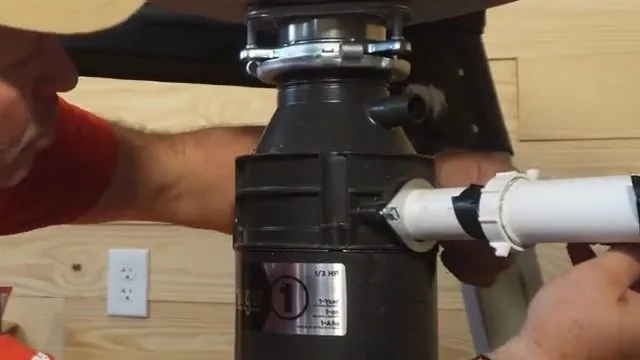
Replacing a disposal means disconnecting the old unit, removing its mounting ring, fitting the new flange and hanging the new unit. The plumber reconnects the drain and the power, then tests the unit with water running.
Check the horsepower against how you use the sink. Heavier use calls for a stronger motor, and a quieter unit has more insulation. The plumber also checks that the cord, the switch and the outlet suit the new unit.
Dishwasher connection
The dishwasher drain hose connects to a port on the disposal. On a new unit the knockout plug in that port must be removed before the hose is connected. Forgetting this step is a common reason a dishwasher fills the sink after a replacement.
A dishwasher that drains badly can also trace back to a kinked hose or a missing high loop, both of which a plumber checks during the install.
Electrical work is the last piece. A plug-in unit needs a grounded outlet under the sink, and a hardwired unit needs a junction box and a switch. If the old unit was wired differently from the new one, the plumber will say so before starting, so that nothing is left half done.
Garbage disposal questions
How do I fix a jammed garbage disposal?
Switch it off and unplug it first. Use the hex wrench slot at the base to turn the flywheel back and forth, remove anything visible with tongs, then press reset and test. If it jams again, call a plumber.
What decides how big a garbage disposal job is?
The unit size, the condition of the plumbing under the sink and the electrical hookup all affect the job, so the plumber looks at each one before starting.
Why does my disposal hum but not spin?
The motor has power but the blades are stuck. Turn off the power, loosen the blades with the hex wrench and reset the unit.
Why is my disposal leaking?
Look at where the water appears. A leak at the top is the sink flange. A leak from the side or bottom is a failed seal or housing, and that usually means replacement.
Disposal not working
A licensed and insured plumber serving your area answers dispatch day and night.
- Licensed and insured plumbers
- Same-day service when available
- 24/7 emergency dispatch